
Why "Cost Per Square Foot" Doesn’t Tell the Whole Story
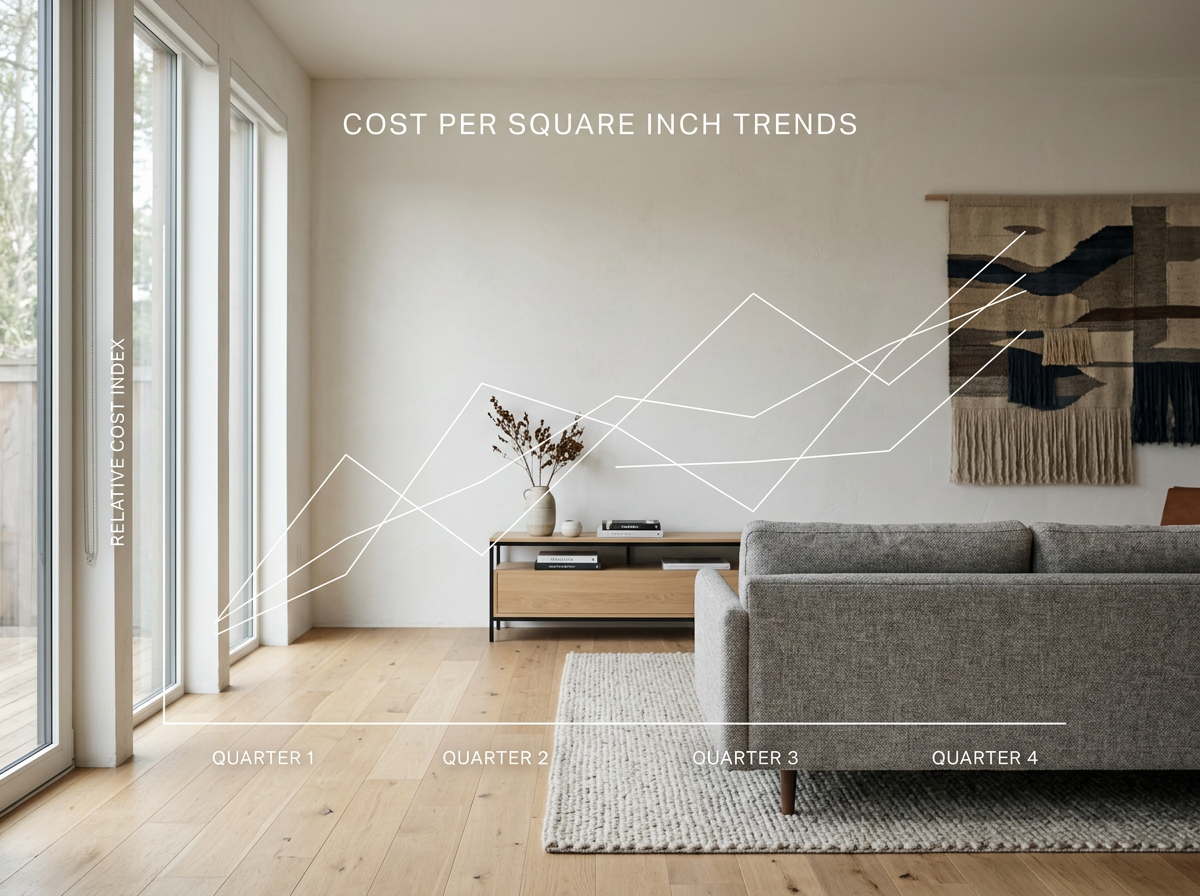
It is common to start planning for a custom home by asking for a cost-per-square-foot estimate, but relying on this number alone can lead to inaccurate budgeting.
Cost per square foot reduces the differences between properties, designs and finish levels to one average. It cannot show how room type, structural complexity, site conditions or material selections affect the estimate.
A more realistic approach starts with the upper limit of your total budget. From there, the builder can develop a scope that reflects the property, the home and your priorities.
Property and Site Costs
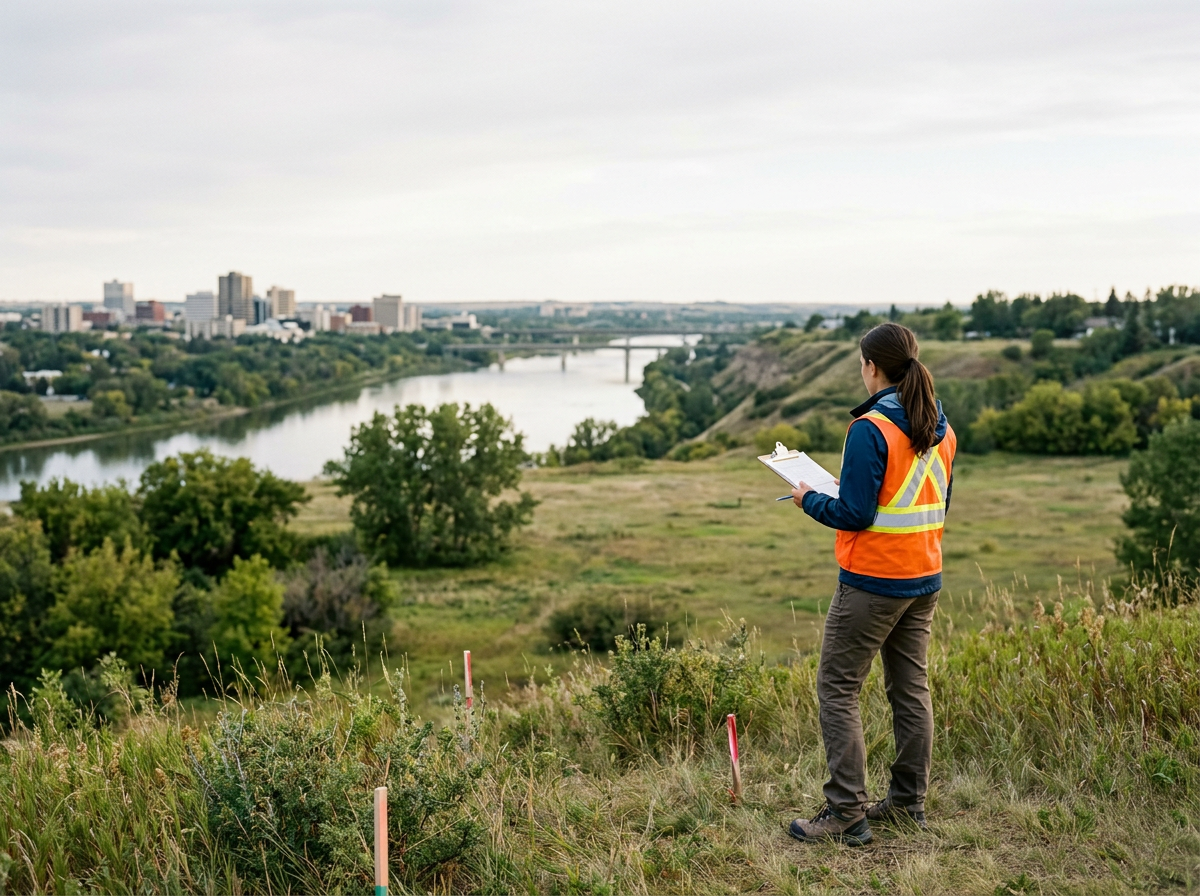
The property you choose affects your home’s design and the work needed before building starts. Lot size, slope, soil, access, existing services, and development rules can all change the estimate.
If you buy an infill property in an established Saskatoon neighbourhood, you may need demolition, utility upgrades, or extra planning for nearby homes.
A lot in a new development might have services close by, but it could also have rules about architecture or landscaping. An acreage may need a well, septic system, longer utility lines, or extra road access.
Land and Development Requirements
The purchase price of the property may sit outside the builder’s estimate, particularly if you already own the land. The work required to build on that property, however, will be reflected in the home's cost.
Architectural controls and development requirements can affect things like the roof, garage, exterior materials, driveway, and landscaping. These costs are usually reflected in the design, materials or exterior-work categories they affect.
Surveys, development charges, and application fees might also be listed as separate items, depending on your project and contract.
Demolition and Site Preparation
If you are building on an infill lot, you may need to remove an old house, garage, foundation, or other structure. The demolition portion of the estimate can include permits, utility disconnection, hazardous-material testing, waste removal, equipment, and site cleanup.
Even vacant lots may need clearing, grading, temporary access, or preparation for services. This work has to be done before or during the early stages of building.
Soil, Excavation, and Utilities
Soil conditions affect how the site is excavated, how the foundation is designed and how drainage is planned. Poor soil, unexpected fill, a high water table, or difficult site access could also require additional engineering, equipment, materials, or labour.
Your estimate might include retaining walls, drainage, grading, and other site work. If below-ground conditions are unknown before building, the estimate may show the assumptions, allowances, or contingencies used.
Utility costs can include applications, connection fees, trenching, meters, equipment, and installation. The required work will depend on whether services already reach the property or need to be added, replaced, or upgraded.
Design, Engineering, and Approvals
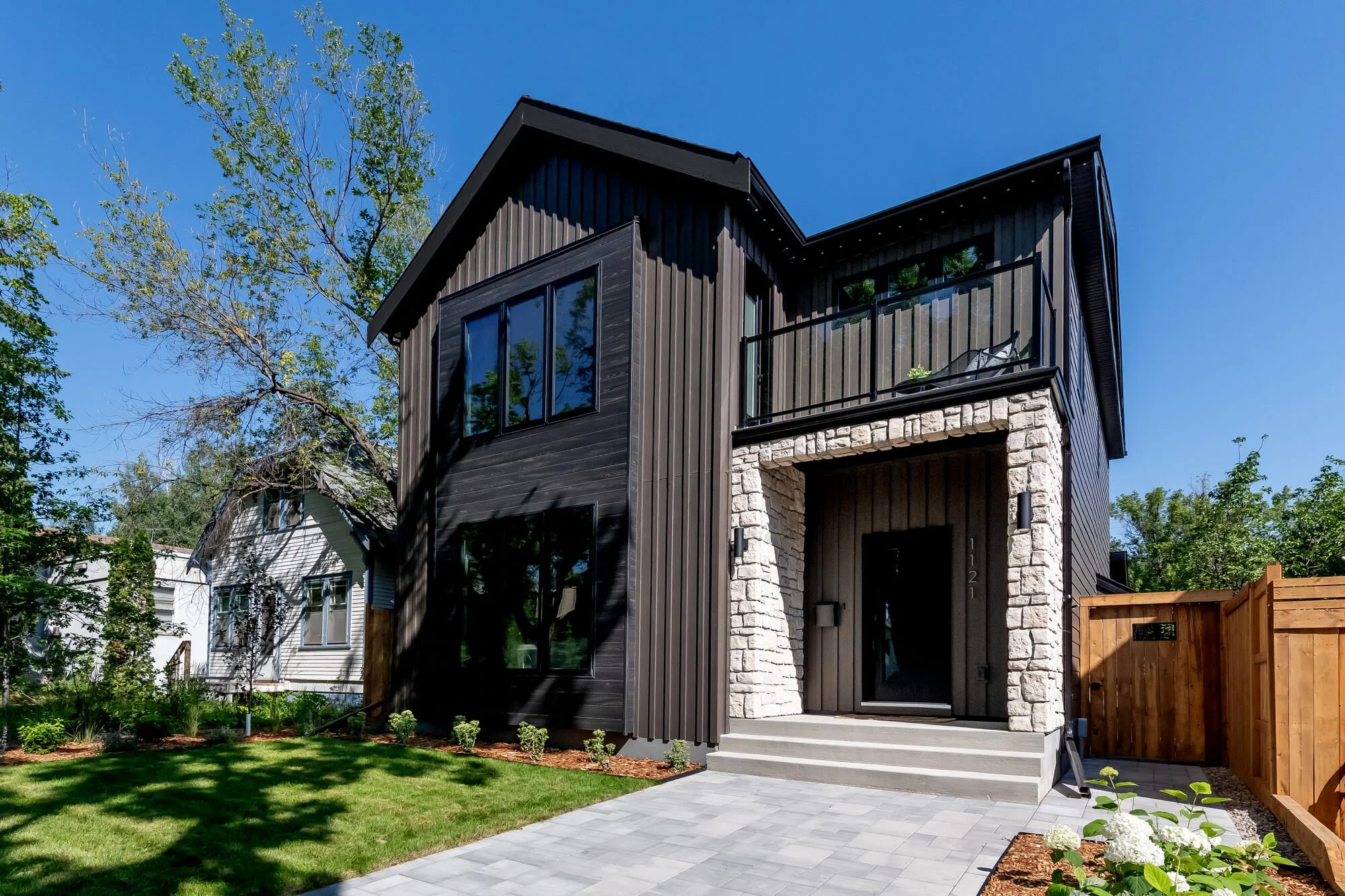
Building a custom home starts with a full, buildable design. Professional fees can include residential or architectural design, interior design, structural and mechanical engineering, energy modelling, surveys, site plans, and construction drawings.
Permit and approval costs depend on where and what you are building. A home in Saskatoon may have different requirements than an acreage or a home outside the city. Building permits, development permits, plan reviews, inspections, and utility applications can all be part of the estimate.
Bella Vista handles the complete custom home process, from design, engineering, and permits through construction, finishing, and final handover.
Materials and Home Performance
A complete estimate covers both the finishes you see and the systems behind the walls, including windows, insulation, roofing, exterior materials, heating, cooling, ventilation, plumbing and electrical work. In Saskatchewan’s climate, these choices play an important role in year-round comfort, durability and energy efficiency.
These specifications help explain why two estimates for apparently similar homes may show different totals.
Interior Finishes and Fixtures
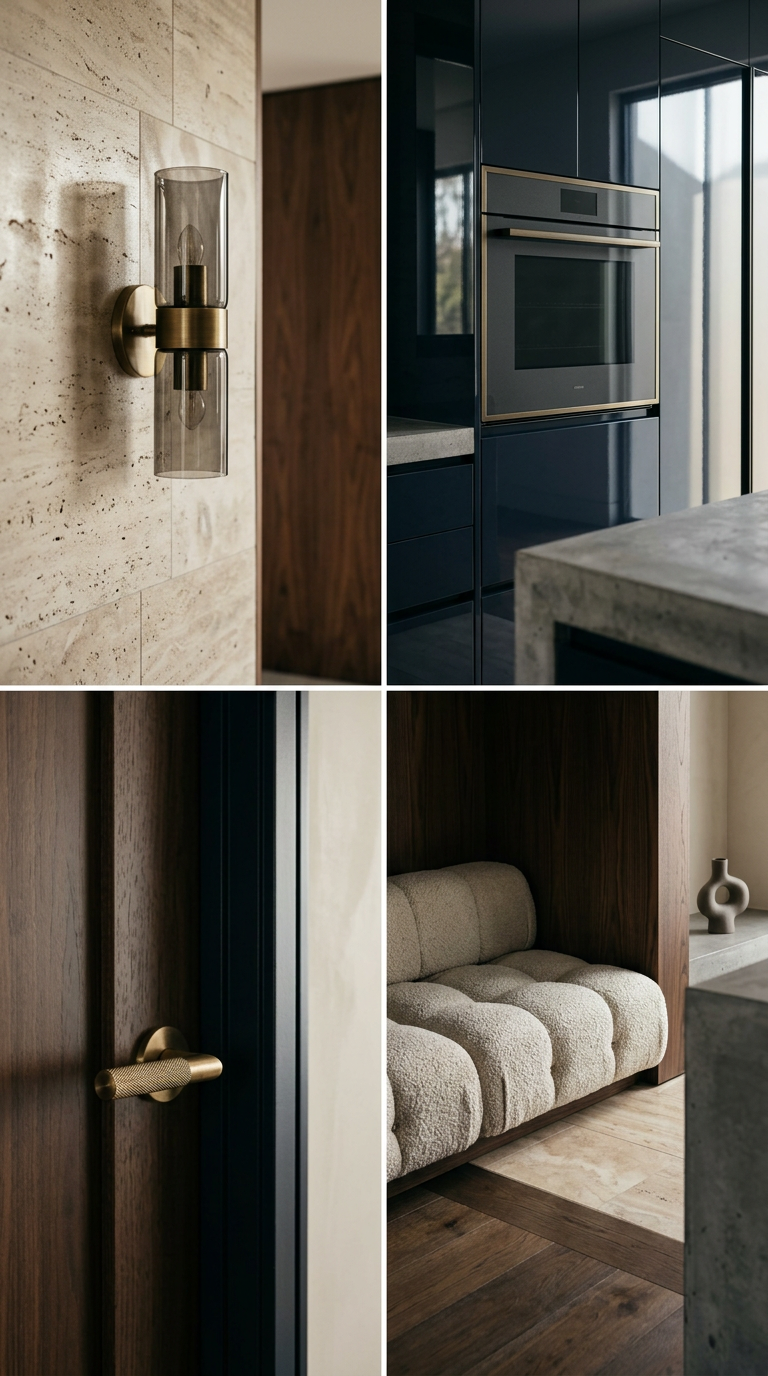
Cabinets, countertops, flooring, tile, plumbing fixtures, lighting, appliances, trim, and hardware can make up a big part of the estimate. Costs can vary considerably even within one product category, so it's important to know what level of material and construction has been quoted.
Millwork is one example. Some estimates may use lower-cost melamine products, while Bella Vista specifies wood or MDF construction in high-use areas. These materials support long-term serviceability and make it easier to reproduce individual components if a colour or finish is later discontinued.
Bella Vista uses durable, high-quality finishes as a starting point, with room to personalize the home or invest more in selected areas. Making these decisions during design allows the estimate to reflect the products, construction methods, and current installation costs expected in the finished home.
How Allowances Affect the Estimate
If you haven't finalized a product or finish, the estimate may include an allowance. This means a set amount is put aside for that item until you choose and the final cost is known.
Allowances matter most when looking at a fixed-price estimate. If the allowance for cabinets, flooring, or something else is less than what you pick, the contract price might go up when you make your final choice.
With a cost-plus contract, decisions are made using real costs, current prices, and your approval. This lets you see how each choice affects your budget and, where possible, move savings from one area to another.
Whichever contract type you choose, look beyond the allowance amount. The estimate should make clear what materials, construction quality, and product level the amount is intended to cover.
Exterior and Completion Costs
The estimate may also cover work needed to finish the property and get your home ready to use, such as:
Basement development
Garage finishing and storage
Driveways and walkways
Decks, patios, and fencing
Landscaping and irrigation
Exterior lighting
Security and home automation
Costs like construction financing, legal fees, window coverings, and moving are usually not in the builder’s estimate. You should still include them in your full budget.
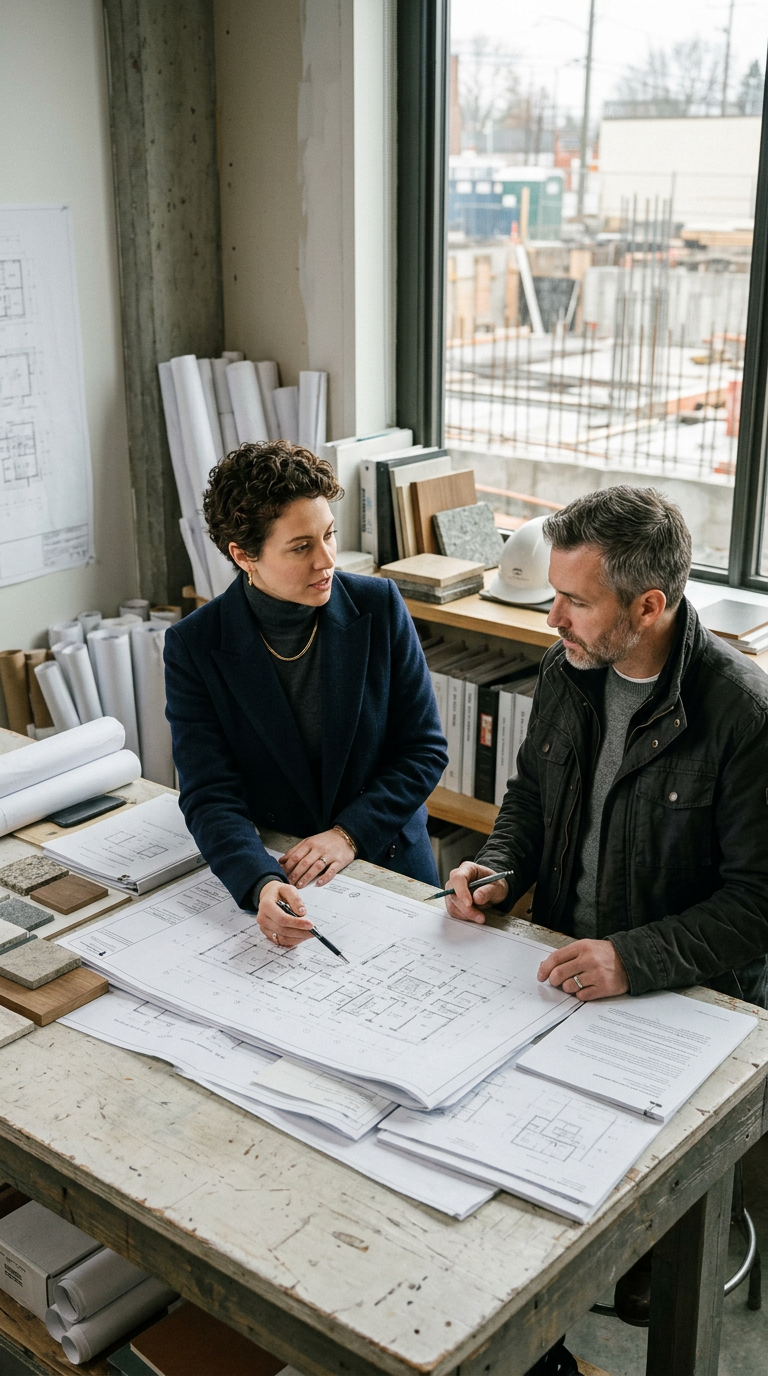
What Should a Custom Home Estimate Show?
A good estimate should explain what is included in the total. Look for clear details about:
Design, engineering, and permit costs
Demolition and site preparation
Excavation, drainage, and utility connections
Materials and building systems
Interior selections and allowances
Exterior and completion work
Exclusions and costs outside the construction contract
Two estimates might have different totals because they include different services, specs, allowances, or site work. Comparing what is included tells you more than just looking at the final numbers.
Bella Vista gives detailed estimates so you can see what is included in your project. During construction, we track costs and provide real-time updates using an online project management software, and ask clients to approve key costs and changes before the related work proceeds.
Planning a Realistic Budget for Your Build
A detailed estimate shows what it will take to complete your home, not just construct it. By reviewing the site work, professional services, building systems, selections and exclusions behind the total, you can understand where your investment is going and make informed decisions before construction begins.
Bella Vista provides clear, detailed estimates for custom homes in Saskatoon and the surrounding area, giving clients a realistic view of what their project includes from the start.