
You may want to stay in your neighbourhood, but need more from your home. Perhaps the kitchen is too small for everyone to gather, or you need another bedroom and aren’t sure where it could go.
A renovation could give you the space you need by changing the layout or adding onto the house. But if it means replacing much of the building without fixing the layout problems, you may want to consider rebuilding on the same lot.
Both options let you stay where you are. Selling opens up other possibilities, including building a new home on a different property. How much your location matters to you is part of the decision, alongside what needs to change and the cost of each option.

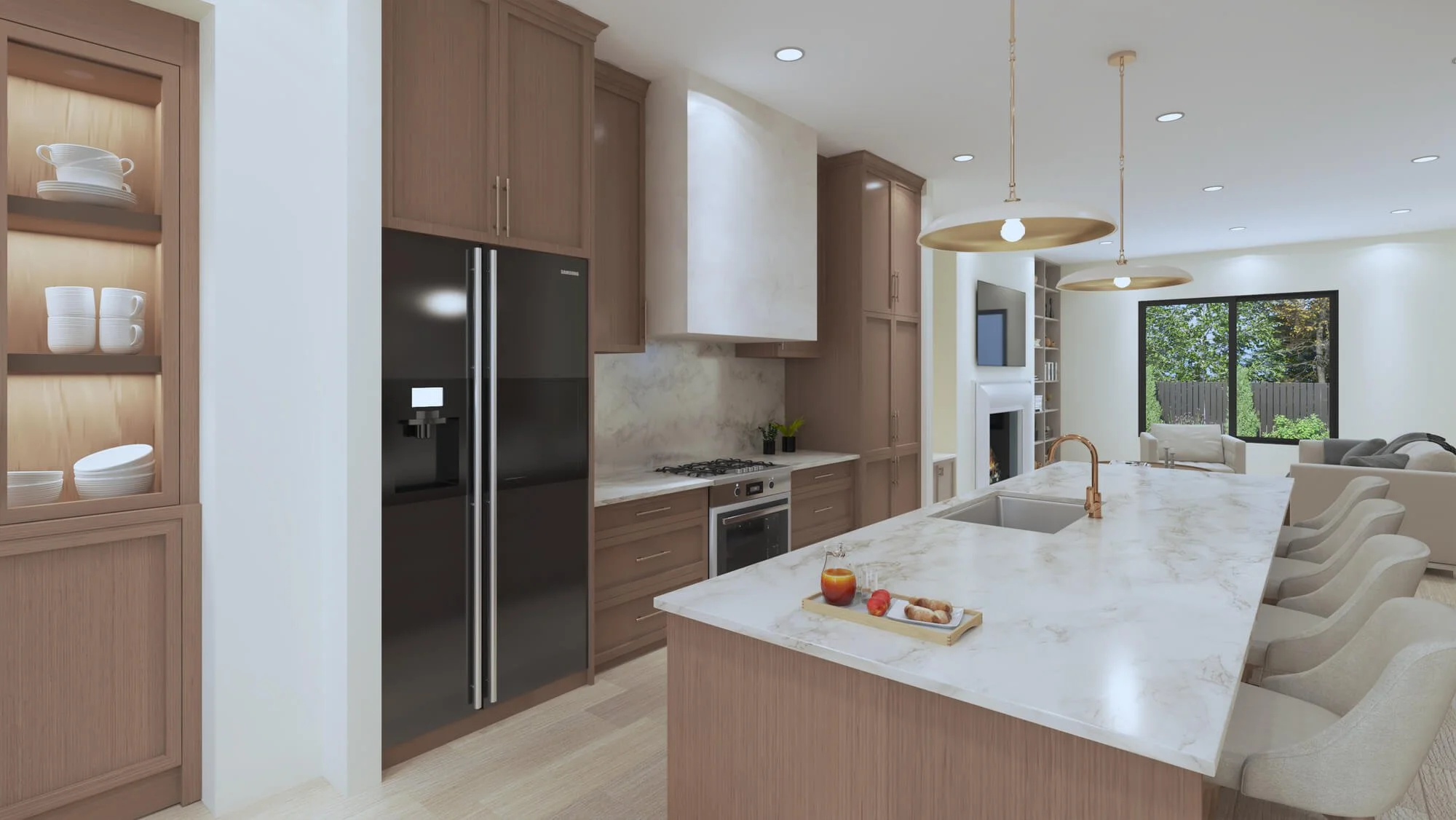
Think about what you'd like to change
An older home may already have much of what you need. The rooms might be a good size, but poorly connected. An unused dining room might be the space you need for a larger kitchen, or an addition could provide a much-needed bedroom.
If you’re considering a renovation, ask yourself:
Where does the house make daily life difficult?
Which rooms do you rarely use?
What would you want to keep?
Could your household change in the next few years?
What would you miss about living here?
These are the kinds of questions we discuss with homeowners before planning a renovation. Understanding what you need from the space helps us assess whether the existing house can support those changes.
That means looking beyond worn flooring and dated cabinets to the building's condition. A builder can identify where further investigation is needed, such as an engineer’s assessment of the foundation or proposed structural changes.
Before committing to a home renovation, make sure you understand what problems it can solve and which limitations you’d still be living with.

When rebuilding makes sense
Rebuilding means taking down the existing house and building a new one on the same property. You can stay in the neighbourhood you love and build a home that better suits your needs.
Adding a second storey, moving the staircase, and changing most of the main floor could require major work to the foundation and building systems. Even a full renovation within the existing footprint deserves to be compared with a rebuild. Consider what that investment would achieve and which compromises would remain.
Rebuilding also means losing the existing house. If you hope to reuse original woodwork or other features, discuss what you can salvage before demolition.
Bring your builder into that comparison before the plans go too far. Bella Vista’s design-build approach lets us consider layout, construction, and budget together, so you understand what each option would involve.
When selling is worth considering
Some frustrations come from the property or location, not the house. You might want a larger yard, a shorter commute, or more room to build. A renovation won’t change those things, and rebuilding on the same property may leave you with similar limits.
Selling could mean buying another existing home or building on a different lot. Bella Vista designs and builds custom homes, and we can help you find a lot that suits your needs. Involving us before you buy lets us assess what you could build there and the site work it would require.

Is it cheaper to renovate or rebuild?
If most of the house is in good condition and you’re changing only a few areas, renovating can cost less. As the work expands, those savings can shrink. For example, moving plumbing or connecting an addition adds costs beyond the rooms and finishes you’ll see. You’re paying to adapt the old house and build the new space.
A rebuild also has costs before construction begins, including demolition and site preparation. So starting over isn’t automatically cheaper.
Look at what you’d get for each price. A renovation that leaves the basement unfinished might suit your budget perfectly well. But if it also leaves you with the cramped bathroom you wanted to fix, the savings may be harder to justify.
If you’re comparing either option with selling and building elsewhere, include the costs of selling, purchasing the lot, and preparing it for construction. Keep those property costs separate from the construction estimate so you can see the total cost of each approach.
Compare the full cost of each option
Renovating
Pay attention to what the estimate leaves unchanged. Keeping a newer furnace may make sense; keeping one that will soon need replacing adds another expense. The same applies to work you’re putting off, such as finishing the basement.
Ask which repairs are included and how much has been set aside for problems that may be uncovered during construction.
Rebuilding on your lot
Construction cost is only part of the budget. Make sure demolition, site preparation, utility connections, and approvals are included. You’ll also need to cover the cost of living elsewhere while the house is rebuilt.
Building somewhere else
Before buying a lot, have your builder look at what it would take to build there. An attractive purchase price may come with substantial servicing or site work.
Then consider the timing of your sale. Staying in your current home until the new one is ready could avoid temporary accommodation, but it means owning both properties for a period. Selling earlier changes those arrangements and the costs you need to plan for.
Building and renovation requirements in Saskatoon
The existing house’s size and location don’t automatically determine what the City will approve for a replacement.
The City of Saskatoon’s renovation and new-construction guidance explains how to check your property’s zoning and the rules that apply. Review these before developing detailed plans for either an addition or a new home. When you work with Bella Vista, we review these requirements for you and use them to guide the design.
We also handle demolition permits and coordination, including required tree reviews and utility disconnections. The City outlines its demolition process for anyone who wants to know more.

Living arrangements during construction
You’ll need somewhere else to live during a rebuild. A major renovation may also mean moving out, particularly if the kitchen, bathrooms, or essential services will be unavailable.
If you hope to stay home, ask what that would look like day to day. Having a usable bedroom doesn’t necessarily make staying practical when you’re working from home or caring for young children.
Include temporary accommodation, moving, and storage in your budget. We’ll work through the schedule with you, explain when you’ll need to move out, and give you a realistic timeframe for your return. We also discuss a worst-case timeline during planning so you can arrange accommodation and budget with that in mind.
Consider the possibilities with Bella Vista
You may know exactly what’s frustrating about your house, but not how to fix it. That’s enough to start.
We’ll help you consider what a renovation could accomplish and what a custom home could make possible. Whether you want to stay on your current lot or explore building somewhere else, we can help you work through the options with your budget and lifestyle in mind.